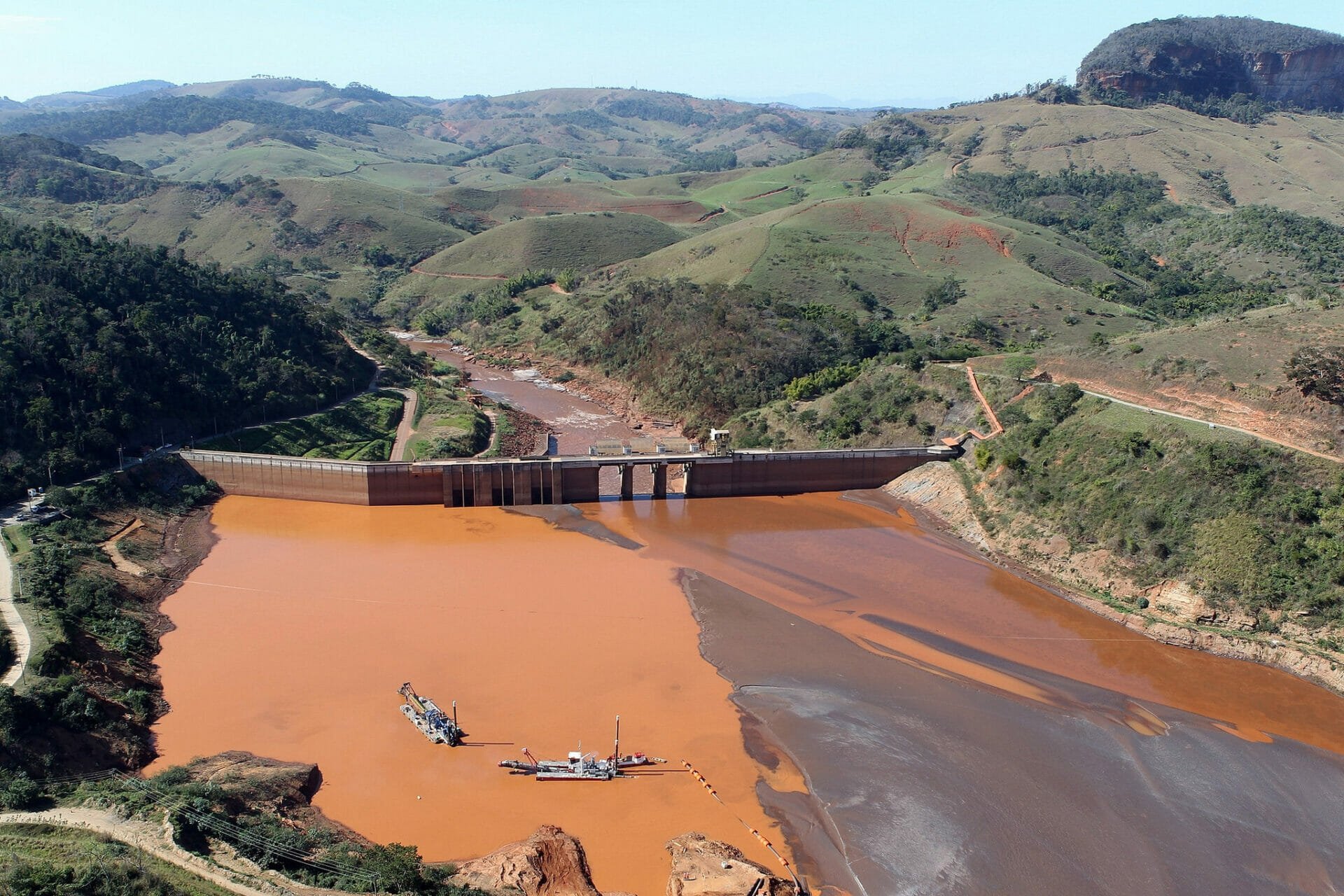
The BHP Mariana lawsuit has become one of the most significant environmental group actions connected to the UK courts. The case relates to the 2015 collapse of the Fundão dam in Brazil, a disaster that caused deaths, destroyed communities, polluted waterways, and damaged livelihoods across a wide area. Because of the scale of the alleged harm, the claim has attracted international attention from lawyers, companies, investors, and affected communities.
Pogust Goodhead became central to the case by helping organize a large group of claimants seeking compensation. Its involvement has also placed the firm under public scrutiny, particularly as wider debates continue around legal funding, claimant communication, and the management of large collective actions.
Why Pogust Goodhead Took A Leading Role

Pogust Goodhead became closely associated with the Mariana claim because the lawsuit required a firm capable of coordinating thousands of people, gathering evidence across borders, and presenting a complex case against a major multinational mining company. The same group litigation model has also appeared in consumer disputes, where issues such as Dieselgate claim complaints have raised questions about communication, delays, and claimant expectations.
In the Mariana case, many affected people argued that compensation processes in Brazil did not fully address their losses. This created demand for a legal route that could examine the responsibility of companies connected to the mining operation. By bringing proceedings in England, the claim moved into a forum where BHP could face detailed scrutiny over its alleged role.
The firm’s central position came from more than filing legal papers. It needed to build claimant records, work with local representatives, manage expert evidence, and explain a highly technical environmental disaster in a way that could be assessed by the court.
The Scale And Complexity Of The Lawsuit

The Mariana lawsuit is difficult because it involves environmental science, corporate structure, cross border law, and individual damages. Claimants may include residents, businesses, local authorities, religious institutions, and others who say they suffered loss after the dam collapse.
Cases of this size require careful organization. Lawyers must assess who is eligible, what type of damage each claimant suffered, and how compensation should be calculated.
They must also address arguments from the defendant, which may include disputes over liability, jurisdiction, previous compensation, and the proper method for valuing losses.
This complexity explains why the litigation has moved slowly and why it has required major financial and professional resources.
It also explains why Pogust Goodhead has become so visible. A firm managing a claim of this scale becomes part of the story, not only as a legal representative but also as an organization responsible for maintaining trust with claimants.
Why The Case Matters Beyond Brazil

The BHP Mariana lawsuit matters because it could influence how multinational companies are held accountable for overseas environmental harm. If courts allow large groups of foreign claimants to pursue claims in the UK, similar actions may become more common in cases involving mining, energy, infrastructure, and supply chains.
The case also contributes to debate about litigation funding. Large claims are expensive, and many affected people cannot pay legal costs themselves. Third party funding can make access to justice possible, but it also raises questions about transparency, deductions, and the influence of commercial backers.
For Pogust Goodhead, the case represents both an opportunity and a challenge. Success could reinforce its reputation as a major claimant firm. Continued scrutiny, delays, or funding concerns could make the firm a case study in the risks of ambitious group litigation.
Conclusion
Pogust Goodhead became central to the BHP Mariana lawsuit because the case required large scale coordination, international legal strategy, and sustained financial commitment. The firm helped bring the claims of affected Brazilian communities into the UK legal system, turning the disaster into a major test of corporate accountability.
At the same time, the lawsuit shows how demanding modern group actions can be. The outcome will matter not only for BHP and the claimants, but also for the future of cross border litigation, environmental accountability, and the role of claimant law firms in major global disputes.