
Modern electrical systems support more electronic equipment than ever before. Variable-speed drives, LED lighting, computers, charging systems, industrial automation, and renewable energy installations all improve efficiency and productivity.
However, these technologies can also introduce disturbances that reduce power quality. If such problems are ignored, they may increase energy losses, damage equipment, and cause unexpected interruptions.
Modern Loads Are Changing Electrical Networks
Learn more about harmonic filter design for your knowledge, or perhaps if you have an upcoming project and looking for solutions where you’re in need for this underrated product.
Harmonic filters are becoming increasingly relevant because many modern electrical loads draw current in a nonlinear way, producing waveform distortion instead of using electricity smoothly.
Traditional equipment generally placed simpler and more predictable demands on the network. Modern electronic devices frequently convert, regulate, or switch power at high speeds.
When many of these devices operate in the same building or industrial facility, the resulting harmonics can spread through the distribution system and affect other connected equipment.
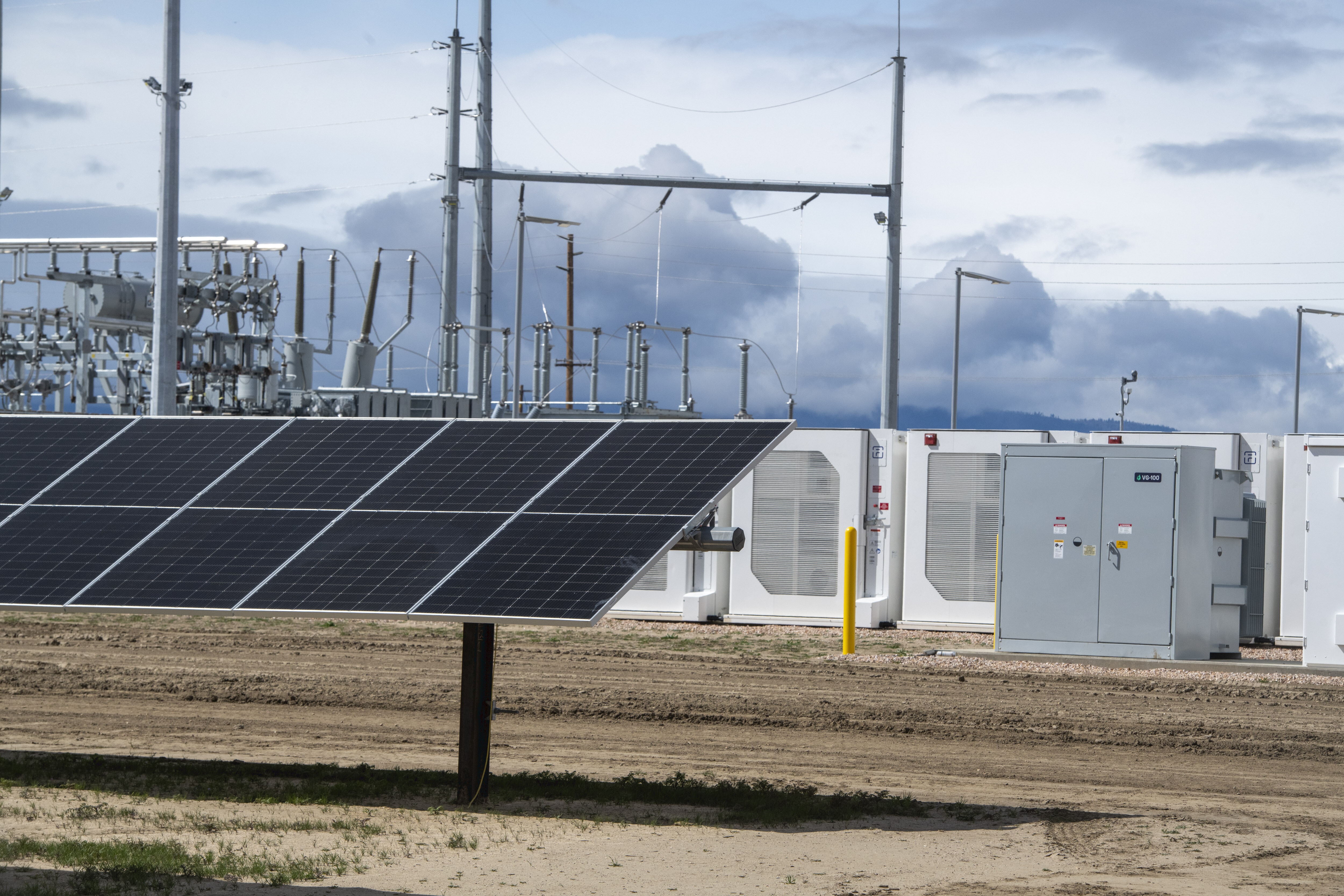
The growing use of solar inverters, battery storage, electric vehicle chargers, and data-processing equipment adds further complexity.
These technologies are valuable, but their combined influence means that electrical systems must now be designed with more attention to waveform quality, load behaviour, and interaction between different devices.
Poor Power Quality Creates Hidden Costs

Power quality problems do not always cause an immediate or obvious failure. Instead, they may appear as overheating transformers, overloaded neutral conductors, nuisance tripping, flickering lights, unstable controls, or premature equipment wear.
Motors can run less efficiently, while capacitors and sensitive electronic components may experience additional stress.
These effects can create costs that are difficult to identify. A facility may consume more electricity without increasing useful output, or maintenance teams may repeatedly replace components without recognising the underlying electrical disturbance.
In production environments, even a short interruption can lead to lost materials, delayed orders, and expensive downtime.
Accurate measurement is therefore essential. Power quality analysers can record harmonic distortion, voltage variations, power factor, frequency changes, and transient events.
Monitoring the system under different operating conditions helps engineers distinguish a persistent network problem from an issue caused by one machine or a particular operating cycle.
Planning and Mitigation Require a System-Wide Approach

Improving power quality starts with understanding the loads, network configuration, and operating patterns.
Engineers should review equipment specifications, cable sizes, transformer capacity, grounding arrangements, and the location of sensitive devices.
Measurements taken at the main supply and important distribution points can reveal how disturbances travel through the installation.
Possible solutions include passive or active harmonic filters, line reactors, isolation transformers, power factor correction equipment, and changes to load distribution. The correct option depends on the harmonic spectrum, load variability, available space, and future expansion plans.
A solution selected without proper measurements may provide limited improvement or create new resonance problems.
Power quality should also be considered during the design stage of new projects. Planning early makes it easier to size equipment correctly, reserve installation space, and coordinate protective devices.
It is usually more efficient than correcting widespread problems after a facility becomes operational.
Conclusion
Power quality is becoming a bigger concern because electrical networks now contain more nonlinear, sensitive, and interconnected equipment. Harmonic distortion and other disturbances can reduce efficiency, shorten equipment life, and interrupt important processes.
By measuring actual conditions and choosing solutions based on the complete electrical system, businesses can protect their investment and create a more reliable installation.